Is Faro Worth Visiting? The Perfect 72-Hour City Break
Every year, millions of travelers fly into Faro International Airport, collect their luggage, and immediately jump into a rental car or transfer to head west towards the crowded resort towns. By doing so, they completely miss one of Southern Europe’s most captivating, authentic, and historically rich destinations.
So, is Faro worth visiting? The answer is a resounding yes.
In fact, Faro has quietly emerged as the ultimate destination for a stress-free long weekend getaway or "city break." Just a short flight from the UK, Ireland, and Northern Europe, Faro offers an incredibly rare combination: a stunning medieval walled Old Town, a picturesque marina, world-class gastronomy, and immediate access to the deserted beaches of the Ria Formosa Natural Park.
Even better? You don't need a car. With the airport just 10 minutes from the city center, you can go from the runway to sipping a glass of Portuguese wine on a cobblestone plaza in under an hour.
Unlike many European city breaks that feel rushed and exhausting, Faro is compact, walkable, calm, and deeply relaxing. It is a destination where slow mornings, long lunches, golden sunsets, and evening strolls are part of daily life.
This guide is specifically designed for travelers planning a premium 3-night escape — with the option to extend into a slower 5-night stay exploring the wider Eastern Algarve.
🌦️ The Weather Rhythm: A Sunny Micro-Climate for Long Weekends
For British and Irish travelers seeking an escape from overcast skies, Faro operates on a highly welcoming weather rhythm. Backed by the protective thermal mass of the Ria Formosa, the city boasts remarkably stable conditions:
The Spring & Autumn Sweet Spot (March–May & September–November): Perfect long weekend weather. Expect crisp, bright mornings and warm afternoons averaging 72°F (22°C)—ideal for walking the historic walls, photography, and enjoying open-air dinners without the intense heat of mid-summer.
Why Faro is the Ultimate Long Weekend Destination
Unlike the seasonal beach resorts of the Central Algarve that close down in the winter, Faro is the capital of the region. It is a real, breathing, year-round city with a significant local population and a vibrant university scene. This means that whether you visit in bustling July or tranquil November, the city is always alive.
Faro is incredibly compact and flat, making it a joy to explore entirely on foot. The architecture is a beautiful timeline of Roman, Moorish, and 18th-century Portuguese influences. For British and Northern European travelers looking to escape the rain for a 3-night getaway of culture, fantastic food, and sunshine, Faro completely eliminates the stress of long travel times and complicated logistics.
Another major advantage is rhythm. Faro does not pressure you into “checking off attractions.” Instead, the city naturally encourages slow travel. You spend more time enjoying places and less time commuting between them.
☀️ In practical terms, this means:
short airport transfers
no need for a rental car
easy train access
walkable historic areas
authentic restaurants instead of tourist chains
a calmer atmosphere even during peak summer
"We left London Gatwick on a drizzly Friday morning and by 2:00 PM we were sitting in a sun-drenched square in Faro Old Town, listening to acoustic guitar music over a lunch of grilled sea bass. No car keys, no navigation arguments. Just pure, immediate relaxation. Faro turned a simple 72-hour break into what felt like a week of healing."
— James & Sophie, London
What Makes Faro Different from the Rest of the Algarve?
One of the biggest surprises for first-time visitors is how different Faro feels compared to the stereotypical image many foreigners have of the Algarve.
There are no giant neon strips, no endless rows of identical tourist bars, and no feeling of being trapped inside a resort bubble. Faro feels Portuguese. Real people live here year-round, children play in public squares, university students fill the cafés, and elderly locals still gather outside traditional bakeries every morning.
This authenticity is precisely why Faro has become increasingly attractive to:
couples seeking relaxed city breaks
solo travelers looking for safety
digital detox travelers
culture-focused visitors
food lovers
slow travelers avoiding overtourism
The city also has an unusual balance between urban life and nature. In very few European destinations can you walk from a medieval old town directly onto a ferry toward deserted islands and protected lagoons within minutes.
🌿 Local Behavior: The Art of Quiet Evenings
In Faro, night life doesn't mean rowdy behavior. Locals value sophisticated socializing. When entering a local wine bar or sitting at a plaza, you'll notice conversations are kept at an intimate volume. It's a peaceful local behavior where lingering over a glass of red wine from the Tavira region or a local craft beer is the ultimate evening ritual.
Day 1: Exploring the Walled Old Town and Local Culture
Your 72-hour city break begins by stepping back in time. Start your morning by walking through the Arco da Vila, a monumental neoclassical archway that serves as the main entrance to the Cidade Velha (Old Town). Look up, and you will almost certainly see the famous storks nesting on top of the bell towers.
**Morning:** Wander through the silent, cobbled streets bordered by fragrant orange trees until you reach the Largo da Sé. Here, you must visit the Faro Cathedral. Climbing the medieval clock tower rewards you with breathtaking, panoramic views over the city rooftops and the sprawling blue lagoon of the Ria Formosa.
**Lunch:** Exit the walled city and head to a traditional tasca. Order a Bitoque (traditional steak and egg) or freshly caught grilled sardines with a cold local beer.
**Afternoon:** Visit the magnificent Carmo Church (Igreja do Carmo) and its fascinating, slightly macabre Capela dos Ossos (Bone Chapel), built by 19th-century monks from the bones of over 1,000 friars.
**Evening:** Faro’s dining scene is spectacular. Enjoy dinner in one of the beautifully restored courtyards within the Old Town. Try the region’s signature dish, Cataplana de Marisco (a rich seafood stew cooked in a copper pan), perfectly paired with a grid Algarve white wine.
📸 Photography Moment: The Stork Silhouettes
Position yourself outside the Arco da Vila precisely 30 minutes before sunset. Expose your camera for the deep orange sky; the massive stork nests and the elegant stone arches silhouette beautifully against the twilight, capturing an iconic authenticity signal of the capital.
Best Things to Do in Faro at Night
Faro has one of the most underrated evening atmospheres in Portugal. Instead of loud nightlife districts, the city specializes in elegant, relaxed evenings. As temperatures cool after sunset, locals and visitors fill the terraces around the marina and Old Town. The atmosphere becomes calm, social, and beautifully Mediterranean.
🌙 Perfect evening experiences in Faro:
drinking robust regional red wine in a hidden courtyard restaurant
listening to live acoustic music or Fado in small, intimate bars
walking the softly illuminated marina docks after dinner
enjoying premium rooftop sunset cocktails overlooking the lagoon
eating late Portuguese-style dinners outdoors under the stars
photographing the beautifully lit medieval Old Town stone streets
For couples especially, Faro feels surprisingly romantic at night. The city lighting is warm and atmospheric rather than flashy, and because the historic center is highly walkable, evenings naturally feel safe and relaxing.
Day 2: The Ria Formosa and Deserted Island Beaches
You cannot visit Faro without experiencing its natural wonder: the Ria Formosa Natural Park. This protected coastal lagoon system is one of the Seven Natural Wonders of Portugal.
**Morning:** Walk down to the Faro Marina (just steps from the historic center) and book a boat tour or hop on a public ferry. In less than 30 minutes, you will be transported from a bustling city center to some of the most isolated, pristine beaches in Europe.
**The Islands:** Visit Ilha Deserta (Deserted Island), which lives up to its name with miles of untouched white sand and zero permanent inhabitants. Alternatively, take the ferry to Ilha do Farol (Lighthouse Island) to wander among charming fishermen's cottages and grab a coffee with an ocean view.
**Afternoon:** Return to Faro for a late afternoon stroll. The café culture here is fantastic. Find a spot along the marina or in the pedestrian shopping streets (like Rua de Santo António), order a Pastel de Nata (Portuguese custard tart), and watch the world go by.
**Evening:** Enjoy a relaxed dinner at a local Petisqueira (Portuguese tapas restaurant), tasting small plates of garlic prawns, local cheeses, and cured meats.
Best Time of Year for a Faro City Break
One of Faro’s greatest advantages is that it works exceptionally well outside peak summer season.
While July and August bring guaranteed beach weather, many experienced travelers actually prefer visiting during spring, autumn, or even winter.
🍊 Spring (March–May): Perfect temperatures, flowers blooming, fewer crowds, ideal for walking and photography.
☀️ Summer (June–August): Lively atmosphere, beach days, island ferries operating constantly, long sunset evenings.
🍷 Autumn (September–November): Arguably the best season. Warm ocean temperatures remain, but the city becomes quieter and more authentic again.
🌿 Winter (December–February): Mild sunshine compared to Northern Europe. Faro becomes a fantastic escape for long weekends focused on gastronomy, culture, and slow living.
Because Faro remains active year-round, unlike many seasonal resorts, cafés, restaurants, and cultural spaces continue operating even during winter months.
Day 3: Local Markets and a Quick Trip to Olhão
The beauty of a 72-hour stay is that it gives you time to explore just beyond the city limits without feeling rushed.
**Morning:** Start your final full day at the Faro Municipal Market. Grab a fresh espresso and browse the beautifully organized stalls of local produce, fresh bread, and regional honey. Then, take the incredibly cheap and scenic 10-minute regional train ride east to the neighboring town of Olhão.
**Afternoon:** Olhão is the Algarve's largest fishing port and offers a raw, authentic atmosphere heavily influenced by North African cubist architecture. Explore the town's famous twin red-brick waterfront markets. Have a late seafood lunch right on the promenade, enjoying fish caught just hours earlier.
**Evening:** Catch the quick train back to Faro. For your final night, head to a rooftop bar overlooking the marina to watch the sunset paint the sky in shades of pink and orange—the perfect end to a flawless 3-night break.
🍽️ Food Culture: The Ritual of the Morning Espresso
Before starting your market shopping, do exactly as the locals do. Walk to the small café inside the market, order a bica (espresso) and a warm pastel de nata. Eat it standing at the counter or sitting among residents discussing the morning's fish prices. It’s an effortless slice of local life.
Extend Your Faro Stay to 5 Nights (Recommended)
Although Faro works perfectly as a 3-night city break, many travelers regret not staying longer once they experience the slower rhythm of the Eastern Algarve.
If your schedule allows, extending your stay to 5 nights transforms the experience completely.
Instead of rushing through attractions, you gain time for:
long seafood lunches by the marina
half-day island trips
sunset boat tours through the lagoon
train journeys to Tavira or Olhão
slow mornings in local cafés
photography walks at golden hour
market visits
relaxed beach afternoons
This slower approach is exactly what makes the Eastern Algarve different from classic “checklist tourism.” Faro is not a city to conquer quickly — it is a city to absorb gradually.
✨ Many visitors initially book Faro simply because of the airport… and end up discovering it becomes one of the highlights of their entire Portugal trip.
Frequently Asked Questions (FAQ)
How many days do you need in Faro?
Faro is the perfect size for a 3-day (72-hour) trip. A 3-night stay gives you ample time to explore the Old Town, visit the Bone Chapel, take a half-day boat trip to the islands of the Ria Formosa, and even take a quick train ride to neighboring Olhão without feeling rushed.
Is Faro better than Albufeira?
It depends on what you are looking for. If you want intense nightlife, British pubs, and large tourist resorts, Albufeira is the choice. If you prefer authentic Portuguese culture, history, sophisticated dining, and a peaceful city break, Faro is infinitely better.
Is Faro safe at night?
Yes. Faro is extremely safe for tourists, including solo travelers and couples. The historic center and marina areas are well-lit, pedestrian-friendly, and maintain a relaxed, welcoming atmosphere well into the evening.
Can you visit Faro without renting a car?
Absolutely. Faro is one of the easiest destinations in Portugal for car-free travel. The airport, train station, marina, Old Town, restaurants, and ferry terminals are all located within a very compact area.
☀️ THE PERFECT MORNING IN THE EASTERN ALGARVE
The perfect Algarve morning is surprisingly simple. Wake up early. Walk to the local market. Drink an espresso surrounded by locals. Buy fresh bread, tomatoes, olives and seafood. Then slowly return to your apartment through quiet Mediterranean streets while the sun rises over the city. These small moments often become travelers’ strongest memories of Portugal.
Recommended Stays for Your Escape
Make the absolute most of your 72-hour city break by staying right in the heart of the action with Algarve Stay Homes.
Our properties are tailored for those seeking convenience, comfort, and premium local living:
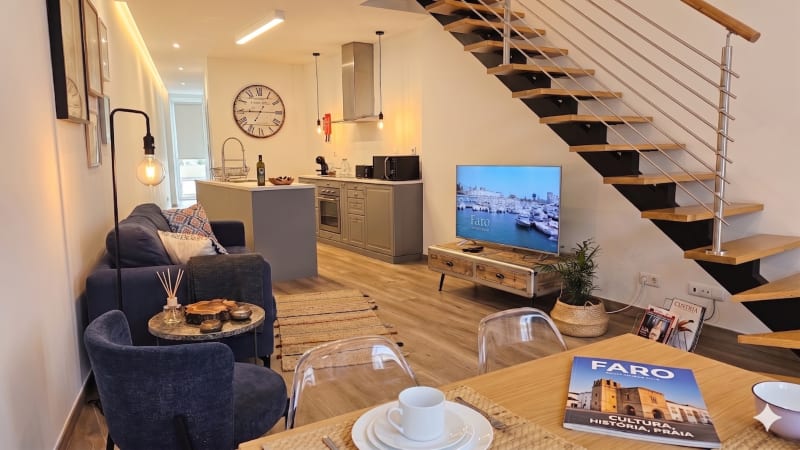
• Our **Casa da Mouraria** is the ultimate base for a premium 3-night Faro getaway. Located within the incredibly walkable historic center, this elegant accommodation places you just minutes on foot from the Cidade Velha arches, the marina, the island ferry terminal, and the train station. The private interior patio offers a peaceful, silent retreat after a full day exploring the city streets, while the central location means you never lose valuable holiday time on transport or stressful parking logistics. It is perfectly suited for high-end stays of 3 nights or longer.
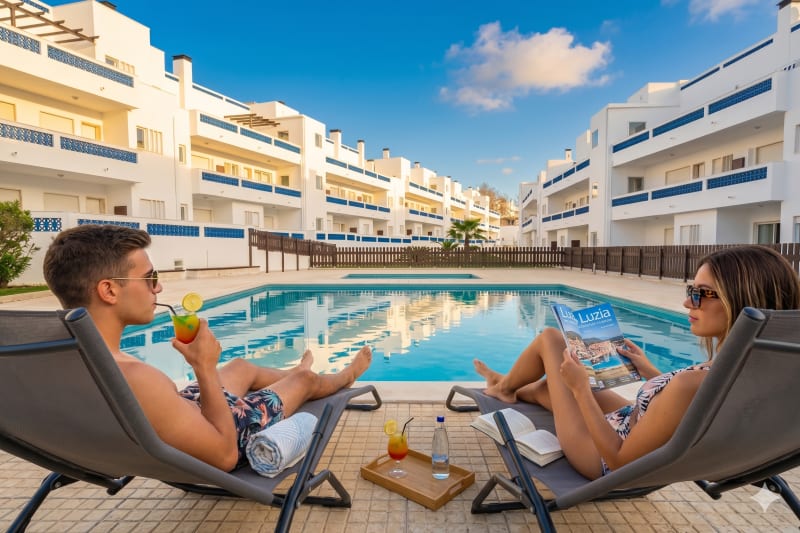
• For travelers extending their Algarve escape beyond the capital into a slower 5-7 night journey through the Eastern Algarve, combining **Casa da Mouraria** with our **Santos Apartment** in Santa Luzia creates the perfect travel hack. You can experience the historical culture of Faro for 2 nights and then smoothly transition to the quiet fishing village lifestyle and pool luxury of Santa Luzia for the remaining nights.
Ready to experience the authentic Algarve beyond the tourist resorts? Book your peaceful Faro city break directly with Algarve Stay Homes today.
Where to stay
Our Algarve Homes
Stay close to everything you explored in this guide.